What Does Proper House Painting Prep Include?
A great paint job starts well before a brush or roller touches the wall. Proper house painting prep means getting each surface clean, stable, dry, repaired where needed, and ready to accept the coating being applied.
Skipping preparation can leave even high-quality paint struggling to adhere or look consistent. Peeling edges, dirt, damaged drywall, chalky exterior coatings, stains, gaps, and poorly protected surroundings can all affect the finished result.
For homeowners considering house painting in Apache Junction, AZ, understanding the preparation process also makes it easier to evaluate a painting proposal and know what questions to ask before work begins.
What Does House Painting Prep Usually Involve?
The exact preparation work depends on whether the project is indoors or outdoors, what material is being painted, and the condition of the existing surface. Not every home requires every preparation step.
In general, proper preparation may involve:
inspecting painted surfaces for damage or adhesion problems
cleaning dirt, dust, grease, or other contaminants
addressing loose, flaking, or peeling coatings
filling small holes or repairing damaged areas when needed
smoothing rough transitions or imperfections
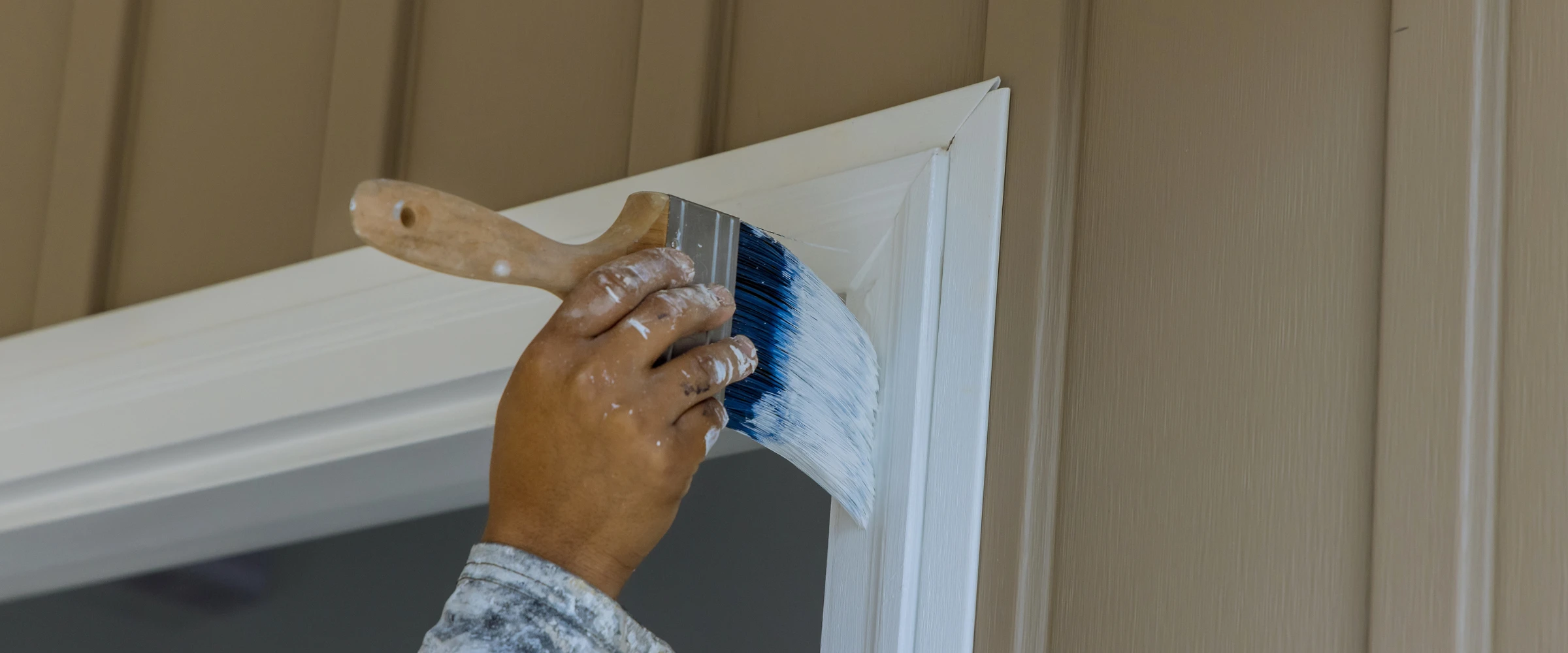
protecting floors, furniture, windows, fixtures, landscaping, and adjacent surfaces
applying primer where the surface or coating system calls for it
confirming that repaired or cleaned areas are sufficiently dry before painting
The goal is not simply to make a surface look cleaner. Preparation creates a sound foundation so the paint can perform as intended.
Surface Inspection Comes Before the Paint
One of the first questions should be: What condition is the surface actually in?
A wall that is clean and intact requires a different approach than one with peeling paint, patched drywall, water staining, or damaged material. The same applies outdoors. Sound stucco and trim do not have the same preparation needs as areas with cracking, loose coating, or deteriorated substrate.
A proper inspection can identify conditions such as:
peeling or flaking paint
cracks and surface imperfections
small holes
stains or discoloration
chalky exterior coatings
damaged drywall or stucco
gaps around painted transitions
previously patched areas
glossy or difficult-to-adhere-to coatings
signs that an underlying problem may need attention first
Paint should not be treated as a repair for active leaks, unresolved moisture, rot, structural movement, or other underlying damage. If a surface is failing for reasons beyond ordinary coating wear, the source of the problem should be addressed before simply covering it.
At Desert Moose Coatings & Handyman Services, we review the surfaces involved in a project so the painting plan can reflect their actual condition. We also provide verified drywall and stucco repair services when those repairs fall within the needs of the project.
Cleaning Helps Paint Bond to the Surface
Paint adheres to the surface underneath it, so dirt and contamination matter.
Interior walls can accumulate dust, fingerprints, grease, cooking residue, and other grime. Exterior walls may collect dust, airborne debris, chalking from an aging coating, and other contaminants.
Cleaning methods should be selected for the material and the condition of the surface. The goal is to remove substances that could interfere with adhesion without unnecessarily damaging the material being painted.
Sherwin-Williams' official surface-preparation guidance describes a properly prepared painting surface as clean, sound, and dry before coating. Sherwin-Williams How to Prep Surfaces for Painting
After wet cleaning, enough drying time must be allowed before paint or primer is applied. Painting over a damp substrate can create problems regardless of how attractive the color looks initially.
Loose and Peeling Paint Needs Attention
New paint does not make loose old paint secure.
If an existing coating is peeling, flaking, or poorly bonded, putting another layer over it can leave the new finish attached to an unstable layer underneath. Preparation may therefore involve removing unsound material and creating a suitable transition between remaining coating and exposed areas.
How that work is performed depends on the substrate, coating condition, and age of the home.
Older painted surfaces deserve additional caution. Homes built before 1978 may contain lead-based paint, and activities such as sanding or scraping can create hazardous lead dust when lead paint is present. The U.S. Environmental Protection Agency maintains specific Renovation, Repair and Painting requirements and homeowner guidance for projects that disturb painted surfaces in applicable pre-1978 properties. EPA Renovation, Repair and Painting Program for Consumers
Do not assume an older home contains lead paint, but do not treat unknown older coatings as an ordinary sanding project without considering the possibility.
Repairs Should Happen Before Finish Paint
Paint can improve appearance, but it does not erase physical damage.
Depending on the home, preparation may involve filling small nail holes, correcting minor surface imperfections, repairing damaged drywall, or addressing stucco damage before painting. Larger or underlying problems may require a different repair approach before coating work begins.
This distinction matters because cosmetic defects and substrate failures are not the same thing.
For example, a small ding in drywall may simply need surface repair. A recurring stain, bubbling paint, or cracking area could have several possible causes, including moisture, coating failure, movement, or another condition that needs investigation. Painting directly over the symptom may hide it temporarily without solving the cause.
Sanding and Smoothing Can Improve the Finished Appearance
Smooth preparation helps create a more uniform finish, particularly around patched areas, rough paint edges, or certain glossy surfaces.
Sanding is not automatically necessary across every inch of every painting project. The amount and method depend on what is being painted and the condition of the existing coating.
Where sanding is appropriate, the objective may be to:
smooth repaired areas
soften rough transitions between coatings
reduce surface imperfections
improve adhesion on certain compatible surfaces
Dust created during surface preparation also needs to be removed before painting. Primer or finish paint applied over a dusty surface may not bond as intended.
For older coatings that could contain lead, ordinary sanding guidance should not be followed without first considering applicable lead-safe requirements.
Protecting the Home Is Part of Painting Prep
Surface preparation is only one part of getting a home ready for paint. Surrounding areas also need protection.
For an interior project, preparation can include moving or covering furniture and protecting floors, fixtures, trim, or other surfaces that are not being painted.
For exterior work, nearby windows, doors, hardscape, fixtures, and landscaping may need protection based on the area being coated.
Painter's tape is one common preparation product. Different tape products are designed for different surfaces, so the manufacturer's instructions and recommended removal window should be followed.
Careful protection also makes final cleanup easier and helps keep attention focused on the surfaces that are actually supposed to receive paint.
Does Every House Painting Project Need Primer?
No. Primer is useful in many situations, but it is not automatically required over every previously painted surface.
Primer may be appropriate when dealing with:
bare or newly repaired material
porous surfaces
significant color changes
patched areas
difficult adhesion conditions
certain stains
surfaces requiring a specific coating system
The right choice depends on the substrate, existing coating, finish paint, and manufacturer instructions.
For example, Zinsser offers several primers intended for different substrate conditions, including products designed for porous surfaces and drywall. That does not mean one primer is appropriate for every house. Product selection should match the surface and coating system.
A common misconception is that primer is simply an extra coat of white paint. It serves a different purpose, such as promoting adhesion, sealing porous material, or creating a more uniform base when the application requires it.
Interior and Exterior Painting Prep Are Not Identical
House painting can include interior painting, exterior painting, or both, but the preparation challenges differ.
Interior Painting Preparation
Indoor preparation often centers on keeping living areas protected while creating a smooth, clean painting surface.
Depending on the room and condition of the walls, preparation may include:
removing surface dirt
filling small holes
repairing damaged drywall
smoothing repaired areas
protecting floors and furniture
masking adjacent surfaces
priming areas that require it
Kitchens, bathrooms, hallways, children's rooms, and other heavily used spaces may present different surface conditions because of traffic, cleaning, moisture exposure, or accumulated residue.
Exterior Painting Preparation
Exterior surfaces face sun, rain, wind, temperature changes, dirt, and other environmental exposure.
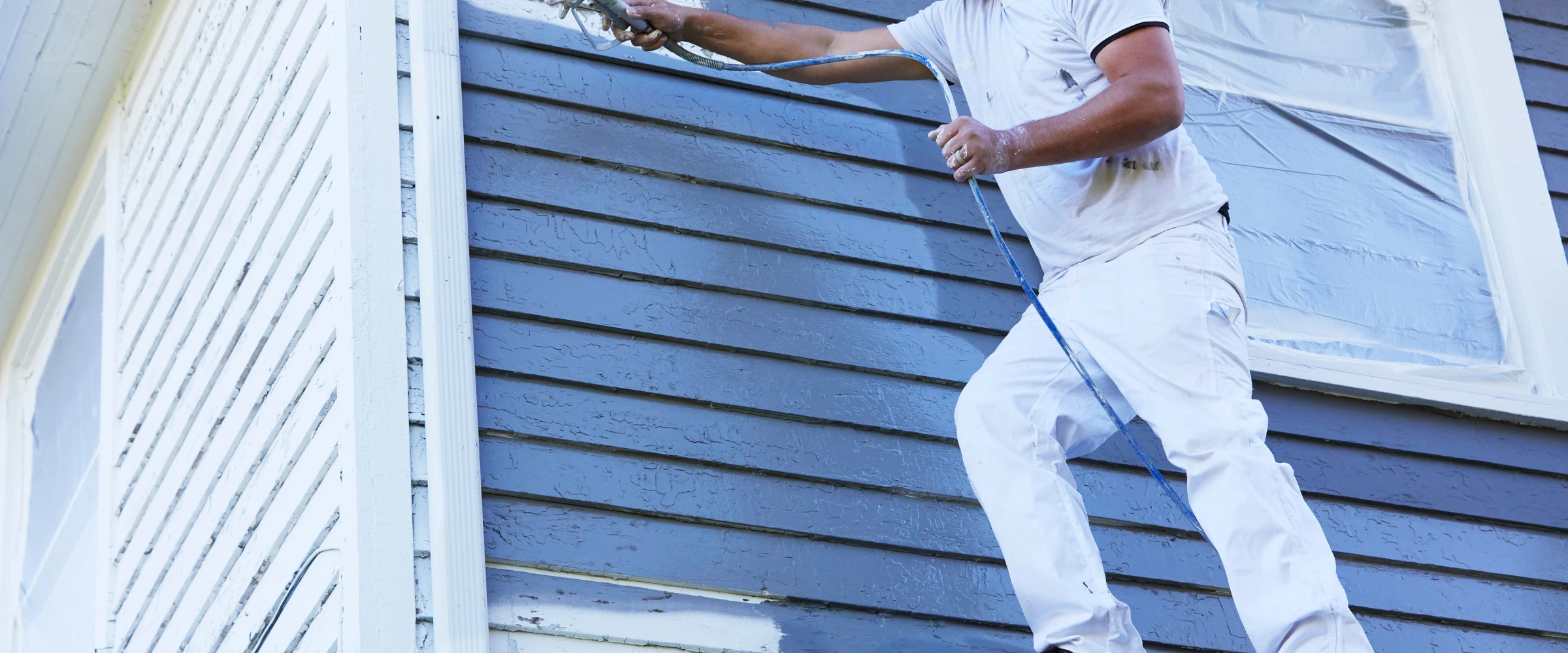
Preparation may involve cleaning, addressing loose coating, correcting repair needs, protecting surrounding surfaces, and using primer where appropriate.
Apache Junction's climate makes application conditions particularly relevant. National Weather Service data for the Apache Junction area regularly reflects very hot seasonal temperatures, so exterior coatings should be applied within the temperature, moisture, and weather conditions specified by the paint manufacturer.
Direct sun can also cause one side of a home to behave differently from a shaded side during application. Professional scheduling should account for actual surface and weather conditions rather than assuming exterior paint can be applied effectively at any hour or in any season.
Why Preparation Can Affect the Final Result
Preparation influences several things you notice after the project is complete.
A properly prepared surface can help support:
Better adhesion. Paint has a more suitable surface to bond to when loose material and contamination have been addressed.
More consistent appearance. Repairs, porous areas, and rough transitions can show through finish paint when they have not been prepared appropriately.
Cleaner lines and surroundings. Masking and covering help keep paint where it belongs.
More appropriate coating performance. Paint performs best when it is applied to a compatible, sound surface under conditions that meet product requirements.
Preparation cannot make damaged material structurally sound or eliminate an active moisture problem. Its role is to create the right foundation for painting after necessary underlying issues have been handled.
Useful Resources for Understanding Paint Preparation
Homeowners who want to understand why painters use different preparation methods can find helpful information from manufacturers and government agencies.
Sherwin-Williams Surface Preparation Guide
The Sherwin-Williams paint preparation guide explains preparation considerations for several types of interior and exterior surfaces. It is useful for understanding why clean, dry, sound substrates matter before coating.
3M ScotchBlue Painter's Tape
3M ScotchBlue painter's tape products include options intended for different surface conditions. Homeowners using painter's tape for basic, low-risk projects should check the individual product instructions for compatible surfaces and removal timing.
Zinsser Primers
Zinsser surface sealing primers illustrate how primers are formulated for different preparation needs, including drywall and porous surfaces. A product should always be selected according to the substrate, topcoat, and manufacturer directions.
EPA Lead-Safe Painting Resources
The EPA's Renovation, Repair and Painting resources explain federal lead-safe requirements and practices relevant to applicable renovation and painting work in older homes. This is an especially useful resource before disturbing painted surfaces in pre-1978 housing.
These links are provided as general homeowner resources. They do not imply that Desert Moose Coatings & Handyman Services uses, sells, endorses, or is affiliated with any listed manufacturer or product.
How Much Prep Does Your Home Actually Need?
There is no single prep checklist that fits every house.
A recently painted interior with sound walls may need relatively limited preparation. Another property may have patched drywall, peeling areas, substantial color changes, or surface damage that requires more work before coating begins.
Exterior preparation can vary even more because siding, stucco, trim, masonry, wood, and previously painted surfaces can age differently.
The amount of preparation can also affect project cost and timing. Relevant factors can include:
total surface area
current coating condition
accessibility
repair needs
number and type of surfaces
drying time
primer requirements
number of finish coats
interior protection requirements
exterior weather conditions
That is why evaluating the actual home is more useful than assuming every painting project follows the same sequence.
Frequently Asked Questions About House Painting Prep
What Does Proper House Painting Prep Include?
Proper house painting prep includes checking each surface, cleaning it, making needed repairs, sanding rough areas, filling gaps, and applying primer when required. Good prep work helps the new paint bond correctly and gives the finished paint job a cleaner, more even look.
For an interior painting project, our team may protect floors, furniture, doors, trim, and other living spaces before work begins. We may also complete small drywall repairs, patch holes, smooth walls, or use caulking where needed. For exterior house paint, preparation may include cleaning exterior surfaces, removing loose paint, checking stucco, wood, or siding, and using power washing when it is suitable for the surface.
Every house is different, so the process depends on the condition of the property and the type of painting being completed. A professional painting contractor should explain the prep work before the job starts so the owner knows what is included.
How Much Does a House Painting Project Cost?
The cost of a painting project depends on several details, including square footage, the number of rooms, surface condition, repair needs, paint brands, number of coats, accessibility, and whether the project is interior or exterior.
An interior paint job may cost less when the walls are already in good condition and only need a fresh coat. Projects that require drywall repairs, sanding, detailed trim work, doors, or major surface preparation may require more labor. Exterior painting costs can also change based on the home's exterior, stucco condition, wood or siding repairs, caulking needs, and exposure to Arizona weather elements.
Our estimate process is designed to help you understand the expected scope before you hire a contractor. A clear estimate should explain the work being completed instead of giving you only a final price. For homeowners comparing painting services in Phoenix, AZ, Apache Junction, or the greater Phoenix area, it is helpful to compare the actual scope of work as well as the price.
How Do I Choose the Right Paint Colors and Paint Brands?
Choosing paint colors depends on the room, lighting, existing finishes, personal style, and the look you want for your house. Interior colors can affect how bright, warm, open, or comfortable living spaces feel. Exterior house paint should also work well with roofing, trim, doors, landscaping, and other parts of the home's exterior.
Paint brands also offer different products for different surfaces and uses. A professional painting company can help you understand which type of coating may fit your walls, drywall, stucco, siding, wood, trim, or other surfaces.
You do not always need the most expensive product to get high quality work. The more important focus is choosing a suitable coating and applying it correctly. Professional painters should consider the surface, Arizona climate, desired finish, and manufacturer instructions before recommending a product.
How Long Will My Painting Project Take?
The schedule depends on the size and condition of the house, the amount of prep work required, the number of painters on the team, drying time, number of coats, and whether the project involves interior painting or exterior painting.
A smaller room with limited repairs may be completed much faster than a whole-house interior paint job. Exterior projects may take additional time when the home's exterior requires cleaning, stucco repair, sanding, caulking, or other preparation. Arizona heat, direct sun, wind, or other weather conditions can also affect when exterior surfaces should be painted.
A reliable painting contractor should give you a general schedule before the job begins and communicate if surface conditions or weather change the plan. Our company takes pride in keeping customers informed throughout the process.
Do I Need to Move Furniture Before Interior Painting?
You may need to move small or valuable items, but the exact preparation depends on the room and the painting services being provided. Furniture may be moved away from walls or covered so painters can safely complete the work and protect your property.
Before an interior painting job, it is also helpful to remove personal items, wall decorations, and fragile objects from the work area. The painting team can then focus on protecting floors, trim, doors, furniture, and nearby surfaces.
Good professional painters treat preparation and protection as part of the job, not as an afterthought. Careful attention to detail can make the process easier for the homeowner and help keep living spaces cleaner while painting is underway.
Can You Repair Drywall or Stucco Before Painting?
Yes. Desert Moose Coatings & Handyman Services can provide drywall repairs and stucco repair when those services fall within the scope of the project. Repairing damaged areas before painting can help create a smoother and more stable surface for the new coating.
Small holes, dents, rough patches, or damaged drywall may need to be repaired before an interior paint job. On the exterior, cracked or damaged stucco may also need attention before exterior house paint is applied.
Paint cannot fix every underlying problem. If damage is caused by an active leak, moisture issue, movement, rot, or another larger problem, that issue may need to be corrected first. A professional contractor should inspect the surface and explain what needs to be completed before painting begins.
How Do I Choose Between House Painters in Phoenix and Other Arizona Painting Companies?
When comparing house painters in Phoenix, painters in Phoenix AZ, or another Arizona painting company, look beyond the lowest estimate. Ask what preparation is included, what paint products will be used, how the company will protect your property, whether repairs are included, and what the expected schedule will be.
You may see companies such as CertaPro Painters or other house painters in Phoenix when researching options. Rather than choosing based only on a company name, focus on whether the painting contractor clearly explains the process, provides reliable services, communicates well, and has the proper credentials for the work being performed.
The best house painters for your project should be professional, clear about the job, and willing to answer questions. Look for a painting company that takes pride in its quality, keeps the work site organized, and explains any warranty that applies.
Desert Moose Coatings & Handyman Services is an Arizona-licensed contractor serving homeowners who want professional painting and related repair services. If you are comparing a Phoenix painter, companies in the Phoenix area, or contractors closer to Apache Junction, AZ, we recommend comparing each company's complete scope of service before making a decision.
What Can I Expect From Desert Moose Coatings & Handyman Services?
You can expect a straightforward process that starts with understanding your painting project and the surfaces involved. We look at the condition of the house, discuss the work you want completed, identify preparation or repair needs, and provide an estimate based on the project.
Our painting services can include interior painting, exterior painting, drywall repairs, stucco work, surface preparation, trim, doors, walls, and other related work within our verified scope. Each project is different, so we focus on the details that matter for your property rather than using the same approach for every house.
Our goal is to provide high-quality work, reliable services, and clear communication from the estimate process through completion. We want customers to feel that the team respected their property and completed an excellent job with careful attention to detail. A fresh coat of paint can make a major difference, but exceptional results depend on the preparation, products, process, and people doing the work.
Whether you need one room painted, a complete interior paint job, exterior house paint, or related repairs, contact Desert Moose Coatings & Handyman Services to discuss your project. We serve customers in Arizona and can help determine the right next step for your house or business property.
Call (480) 318-0000 to request an estimate and learn more about scheduling your painting project.
Start With the Surface, Not the Paint Can
Proper house painting prep is ultimately about giving the new coating the right foundation. Cleaning, protecting surrounding areas, correcting surface defects, dealing with loose paint, repairing damaged materials when appropriate, and priming where needed can all be part of the process.
The exact combination should be based on your home's condition rather than a one-size-fits-all checklist.
If you are considering house painting in Apache Junction, Desert Moose Coatings & Handyman Services can review your project, discuss the surfaces involved, and provide a free estimate. We are an Arizona-licensed contractor, ROC #359687, providing interior and exterior painting along with related repair services within our verified scope.
Contact us at (480) 318-0000 or Contact Us to discuss your painting project.